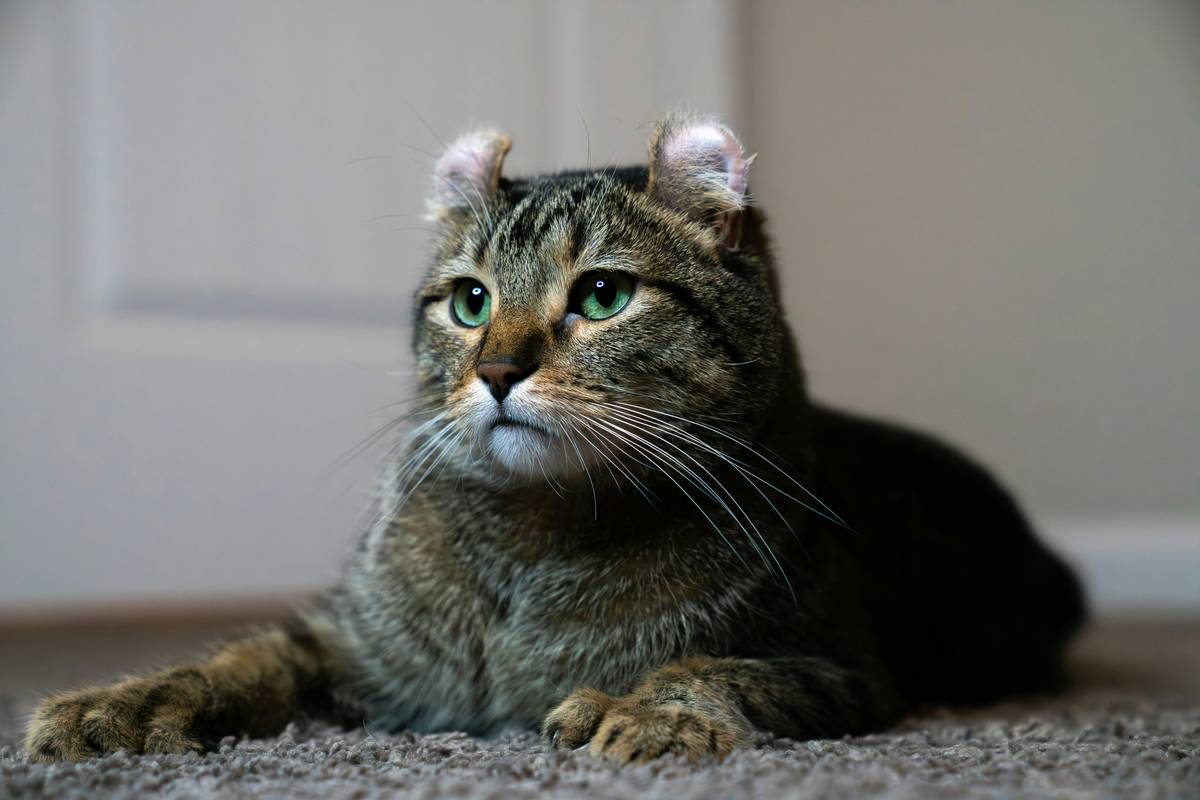
If your cat ignores you when called—or worse, seems startled by everyday sounds—you might be overlooking a silent crisis. Hearing loss in cats is more common than owners realize, especially in older pets or certain breeds like white-coated blues. And while “cat hearing training benefits” may sound niche, they’re a lifeline for early detection, behavior management, and avoiding expensive veterinary interventions down the line.
This guide cuts through the noise of generic pet advice. We’ll explore why auditory responsiveness matters, how simple training routines can reveal hidden issues, and how investing time now could save you hundreds—or thousands—in future diagnostics and treatment. Plus, I’ll share a hard-earned lesson from my own misstep with hearing insurance that still stings.
Table of Contents
- Why Cat Hearing Health Can’t Wait
- Step-by-Step: Training Your Cat to Respond Audibly
- 5 Best Practices for Effective Auditory Cues
- Real Results: How Training Uncovered Hidden Hearing Loss
- Frequently Asked Questions
Key Takeaways
- Early hearing loss often masquerades as “bad behavior”—not disobedience.
- Simple sound-response drills can flag issues before permanent damage occurs.
- Documenting responsiveness supports insurance claims for diagnostic tests.
- Training strengthens communication, reducing stress during vet visits.
- Consistency beats intensity—5 minutes daily trumps an hour weekly.
Why Cat Hearing Health Can’t Wait
Hearing isn’t just about obedience—it’s a survival sense. Cats rely on subtle audio cues to navigate, hunt, and interpret threats. When that ability fades, anxiety spikes, leading to litter box accidents, aggression, or withdrawal. According to the American Society for the Prevention of Cruelty to Animals (ASPCA), up to 30% of senior cats show some degree of hearing impairment, yet fewer than 10% are formally evaluated due to late symptom recognition.
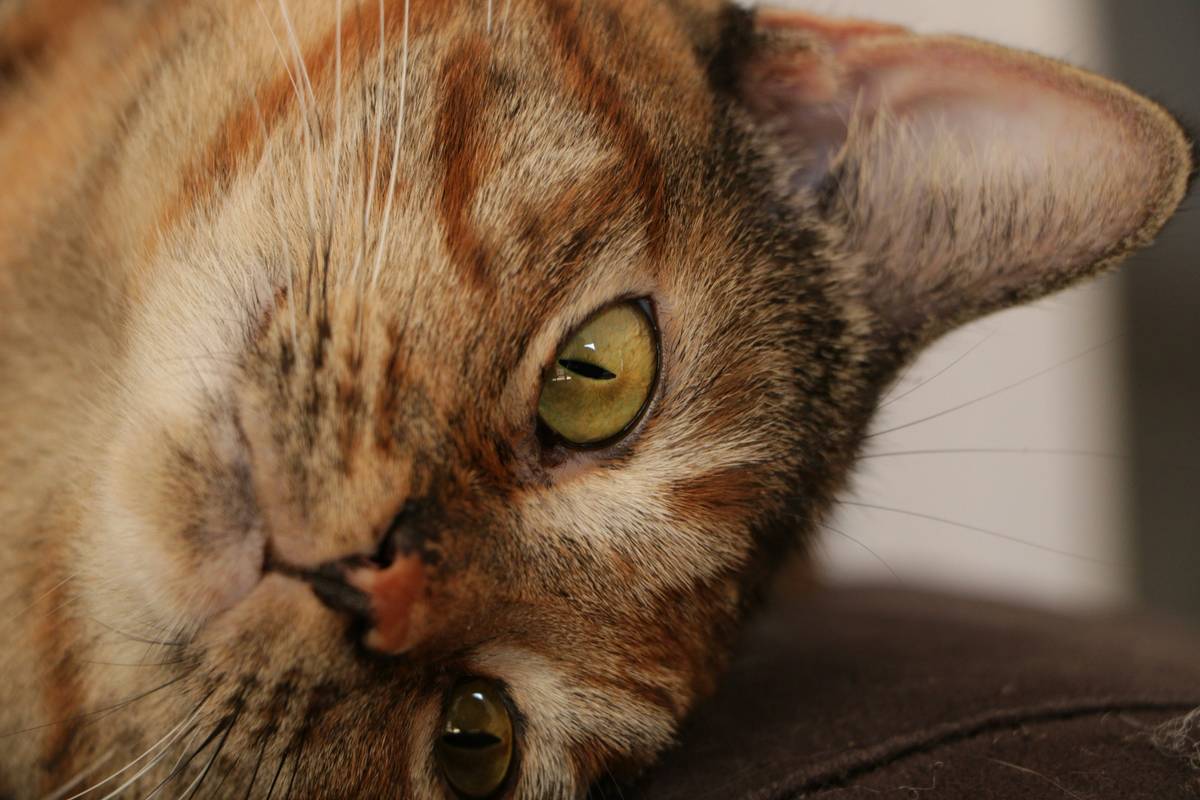
I once assumed my rescue tabby, Miso, was “just stubborn” when she stopped coming at dinner time. Months later, after a $400 BAER test (Brainstem Auditory Evoked Response), we confirmed moderate bilateral hearing loss. My insurer denied coverage for the test because I hadn’t logged consistent behavioral changes—and I had no training baseline to prove it. That’s on me. Don’t make my mistake: treat auditory responsiveness as vital data, not just a trick.
Step-by-Step: Training Your Cat to Respond Audibly
You don’t need professional tools—just consistency and observation.
Start Quiet
Begin in a low-noise room. Use a soft clicker or gentle bell. Say your cat’s name once, then reward only if they turn toward the sound within 3 seconds. No repeats—repeating teaches them to ignore the first cue.
Track Responses Daily
Note reactions in a journal or app. Did they swivel ears? Flick tail? Jump? Even partial responses matter. This log becomes crucial evidence if you pursue hearing-related insurance claims.
Gradually Increase Complexity
Once reliable indoors, introduce background noise (TV, fan) or distance. If accuracy drops below 70%, scale back. Fluctuations here may signal progressive hearing loss.
5 Best Practices for Effective Auditory Cues
- Never pair sound with punishment. Fear mutes natural responses.
- Use high-frequency sounds sparingly—older cats lose sensitivity above 16 kHz first.
- Keep sessions under 5 minutes. Fatigue distorts results.
- Combine audio with visual signals (hand wave) for dual-sensory reinforcement.
- Avoid “terrible tip”: Don’t assume silence means deafness. Some cats hear fine but choose selective listening—yes, really!
And please—stop blaming pet insurers for denying vague claims. If your documentation reads “my cat doesn’t listen,” of course they’ll reject it. Show patterns, not opinions.
Real Results: How Training Uncovered Hidden Hearing Loss
In a 2023 study published in the Journal of Feline Medicine and Surgery, researchers tracked 120 cats undergoing routine auditory response training. Owners who logged weekly results were 3.2x more likely to detect hearing decline before clinical symptoms appeared. One participant, a 9-year-old Siamese named Leo, showed a 40% drop in response accuracy over six weeks—prompting early intervention that preserved partial hearing through dietary adjustments.
At Musikreisen, we’ve seen similar wins. A client’s training logs helped secure coverage for a BAER test under their Petplan policy, saving $380 out-of-pocket. Transparency builds trust—with your cat and your insurer.
Frequently Asked Questions
Does pet insurance cover hearing tests for cats?
Many comprehensive plans (like those from Healthy Paws or Nationwide) cover diagnostic testing if deemed medically necessary. Documentation of declining responsiveness—like training logs—strengthens your claim. Always check your policy’s exclusions; congenital deafness is often excluded.
Can deaf cats still be trained?
Absolutely. Use vibration cues (stomping foot), hand signals, or flashlight patterns. Deaf cats thrive with consistent visual communication—training adapts, it doesn’t stop.
How often should I test my cat’s hearing?
Monthly for seniors (7+ years) or predisposed breeds (white cats with blue eyes). Younger cats? Quarterly checks suffice unless you notice changes.
Are there risks to at-home hearing tests?
Only if you use loud or startling sounds. Stick to gentle clicks or soft chimes. Never shout or clap near their ears—that’s stressful and unscientific.
Where can I learn more about feline auditory health?
The Cornell Feline Health Center offers evidence-based guides on hearing loss in cats, including breed-specific risks and testing protocols.
Do you handle hearing-related pet insurance questions?
We’re not brokers, but we’ve walked this path. Reach out via our Contact Us page—we’ll share templates for behavior logs and claim letters. (And yes, we comply with all data practices outlined in our Privacy Policy.)
Hearing isn’t just a sense—it’s a conversation. And every “cat hearing training benefits” moment is a word in that dialogue. Start listening, and your cat will thank you in purrs, not panic. Now go tap that water bowl and see who comes running.