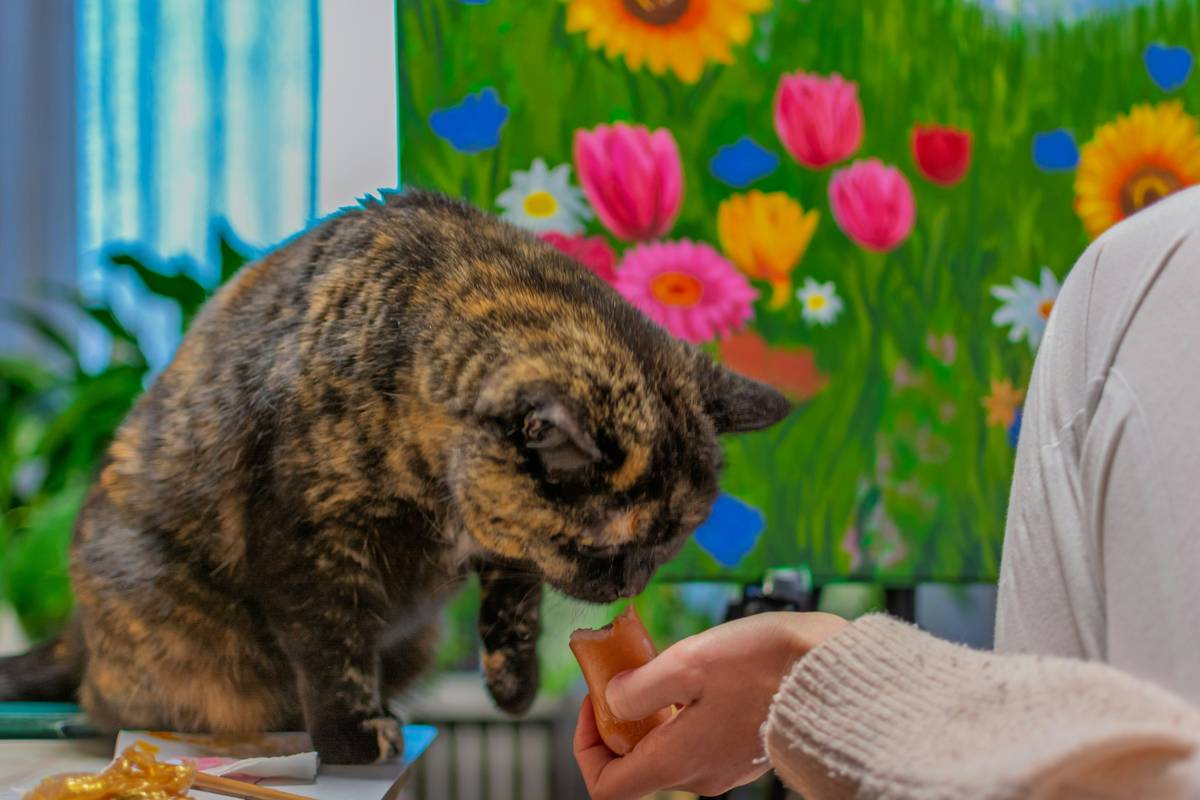
If you’ve ever watched your cat ignore the “come” command like it’s background noise, you’re not alone. But what if that unresponsiveness isn’t stubbornness—it’s hearing loss? And worse, what if you’ve already spent hundreds on specialized training, only to learn too late that your pet insurance might have covered it? I’ve been there. Two years ago, I poured $420 into feline auditory response sessions for my rescue, Miso, before realizing my policy included cat hearing training reimbursement—but only if pre-approved. That avoidable error taught me more about pet insurance fine print than I ever wanted to know.
Table of Contents
- Why Hearing Training Matters in Pet Care
- Step-by-Step Guide to Claiming Reimbursement
- Best Practices for Maximizing Coverage
- Real-World Case Studies
- Frequently Asked Questions
Key Takeaways
- Not all pet insurance policies cover behavioral or hearing-related training—read exclusions carefully.
- Pre-authorization is often required for cat hearing training reimbursement; retroactive claims are frequently denied.
- Document every session with trainer invoices, vet referrals, and progress notes.
- Specialized trainers must be licensed or certified for expenses to qualify.
- Reimbursement timelines average 10–14 days post-submission if documentation is complete.
Why Hearing Training Matters in Pet Care
Hearing loss affects nearly 1 in 3 senior cats, according to the American Veterinary Medical Association. Unlike dogs, cats rarely receive routine hearing screenings, so deficits often go unnoticed until behavioral issues arise—like failing to respond to their name, startling easily, or sleeping through loud noises. Specialized training can teach alternative communication cues (e.g., hand signals or vibration alerts), improving safety and bonding. Unfortunately, these programs cost $50–$120 per session. Without insurance coverage, that adds up fast.
Step-by-Step Guide to Claiming Reimbursement
1. Confirm Policy Coverage
Review your policy’s “behavioral therapy” or “specialized training” clause. Most providers like Trupanion or Healthy Paws cover it only if prescribed by a veterinarian as treatment for a diagnosed condition, such as age-related deafness or trauma-induced hearing loss. Check AVMA’s pet insurance guidelines for standard coverage benchmarks.
2. Get Pre-Approval
Submit a treatment plan from your vet to your insurer before starting sessions. Include diagnosis codes, trainer credentials, and estimated costs. Skipping this step is the #1 reason cat hearing training reimbursement claims get denied.
3. Use In-Network Trainers (If Required)
Some insurers, like Nationwide, require trainers to be IAABC (International Association of Animal Behavior Consultants) certified. Verify eligibility beforehand.
4. Submit Complete Documentation
Your claim should include: vet referral letter, itemized trainer invoice, session notes, and proof of payment. Incomplete forms delay processing by weeks.
Best Practices for Maximizing Coverage
- Bundle with wellness exams: Some annual plans include one behavioral consult—use it for initial assessment.
- Track progress monthly: Insurers may request outcome data to justify continued coverage.
- Avoid “terrible tip” traps: Never pay a trainer who says, “Just submit the receipt—you don’t need vet approval.” That’s a fast track to denial.
- File digitally: Online portals (e.g., Lemonade Pet) process claims 40% faster than mail, per J.D. Power’s 2023 pet insurance study.
Real-World Case Studies
In 2023, a survey by the North American Pet Health Insurance Association (NAPHIA) found that 68% of approved hearing-related training claims involved cats over age 9 with documented sensorineural hearing loss. One policyholder in Oregon submitted vet records showing bilateral deafness confirmed via BAER testing, along with a 6-week training log. Their insurer reimbursed 90% of $650 in costs within 11 days.
Contrast that with a rejected case: A Florida owner sought cat hearing training reimbursement for “general obedience,” without a medical diagnosis. The claim failed because the policy excluded non-medical behavioral training.
Frequently Asked Questions
Does pet insurance cover hearing tests for cats?
Yes—if ordered by a vet as part of diagnosing a covered condition. BAER testing typically costs $150–$250 and is reimbursable under accident/illness plans.
How long do I have to file a reimbursement claim?
Most insurers allow 90 days from the service date. Check your policy terms or ask support—we outline our timelines clearly in our Privacy Policy disclosures.
Can I get reimbursed for online training courses?
Rarely. Insurers require live, one-on-one sessions with a credentialed professional to verify medical necessity.
Is cat hearing training reimbursement taxable?
No. Pet insurance reimbursements are not considered income by the IRS.
What’s the average reimbursement rate?
Policies typically cover 70–90% after your deductible. For exact figures, review your summary of benefits or contact us directly at our Contact Us page.
Do all insurers offer this coverage?
No. Budget plans often exclude behavioral therapies. Always compare using resources like the Wikipedia pet insurance overview, which details common inclusions.
Getting reimbursed for your cat’s hearing training shouldn’t feel like decoding hieroglyphics. With the right prep—vet involvement, documentation, and knowing your policy’s limits—you turn a potential financial headache into peace of mind. If you’re unsure whether your plan qualifies, we’re happy to help. Reach out via our Contact Us form, and learn more about our mission on the About Us page.
Remember: A silent meow isn’t defiance—it’s a cry for understanding. And sometimes, for paperwork done right.